Catering Supplies

Don't cook, command

By continuing to use our site you agree to us using cookies in accordance with our Cookie Policy. Accept & Close

Popular Right Now

Did you know?

Colour-coding prevents cross contamination

Colour-coding prevents cross contamination

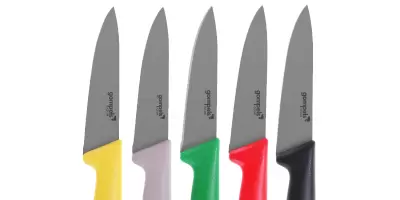
Each colour represents a food type, reducing the risk of mixing raw meat with ready-to-eat foods. It’s one of the simplest HACCP controls any kitchen can use.
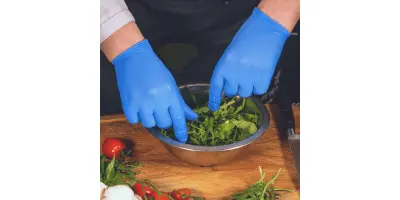
Food-safe gloves aren’t all the same

Food-safe gloves aren’t all the same

Vinyl gloves suit light prep, while nitrile offers better protection and tear resistance. Always check they’re certified for food handling before use.

Temperature control is key for food safety

Temperature control is key for food safety

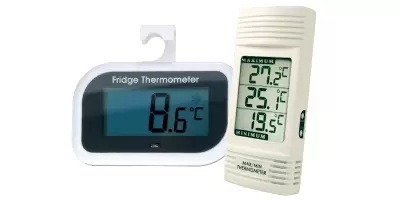
Hot food should be kept above 63°C and chilled food below 5°C. Using fridge thermometers and probe wipes helps maintain compliance during busy service.

Bright tableware helps with allergies

Bright tableware helps with allergies

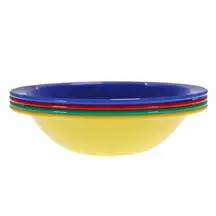
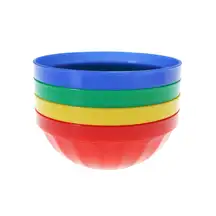
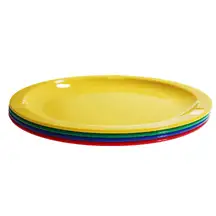
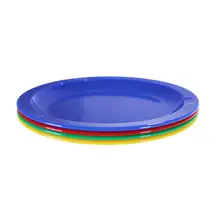
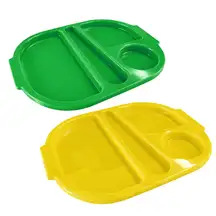
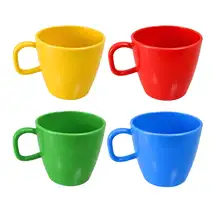
Melamine and polycarbonate tableware comes in a range of colours, making it easy to separate allergen-free meals or identify special diets. It’s a simple, visual safeguard that helps teams stay consistent across busy meal services.

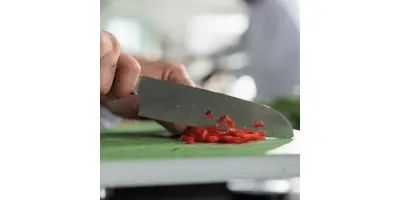
Sharp knives are safer than blunt ones

Sharp knives are safer than blunt ones

A sharp blade needs less pressure to cut, reducing slips and strain. Regular honing keeps knives effective for longer and makes prep faster and more consistent.
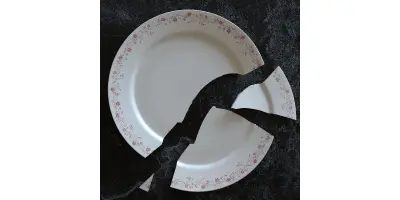
Polycarbonate tableware won’t shatter

Polycarbonate tableware won’t shatter

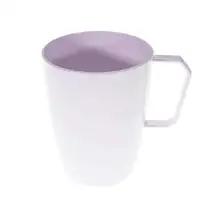
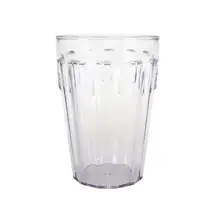
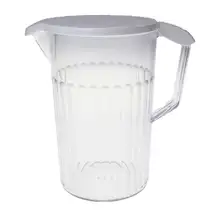
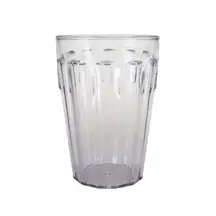
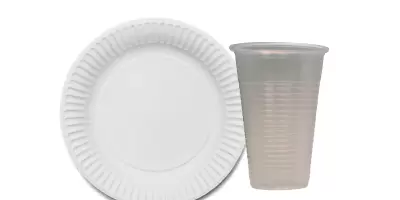
Lightweight, durable and dishwasher safe, polycarbonate plates and tumblers are ideal for care homes, nurseries and dining rooms where safety matters most.

FAQs

How can we make mealtimes easier for residents with dementia?
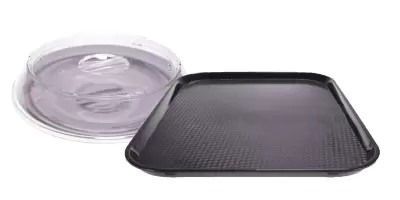
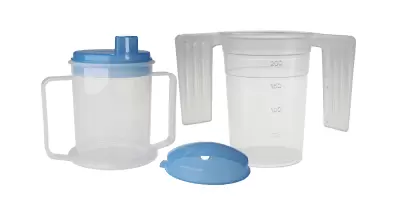
Brightly coloured plates and contrast tableware can help residents see food more clearly and encourage independence at mealtimes. Non-slip trays and lightweight polycarbonate cups also reduce spills and make it easier for staff to support residents with dignity.
What’s the best way to handle allergens in a shared kitchen?
Prepare allergen-free meals first and use separate utensils and chopping boards for those dishes. Clearly label storage containers and serving plates to avoid mix-ups. Staff should always double-check allergen information before serving.
How often should kitchen thermometers be checked?
Thermometers should be calibrated at least monthly to stay accurate. A quick ice-water test is often enough, it should read close to 0°C. Keeping a log of checks helps demonstrate food safety compliance.
Why do catering staff need blue plasters?
Blue plasters are mandatory in food preparation areas because they’re the only colour not naturally found in food, making them easy to spot if they fall off. Many are also metal detectable, which adds another layer of safety during food production. Keeping a dedicated box of blue plasters in your kitchen first aid kit ensures quick access and full compliance with food hygiene standards.
Why are plate sizes measured in inches?
Most catering and hospitality tableware is still sized in inches because it originated from traditional UK and US manufacturing standards. Even though metric is used for most products today, plate sizes stayed in inches for consistency with commercial kitchens and dishwashers. As a guide, a 6-inch plate suits desserts or snacks, 9 inches is standard for mains, and 10–11 inches is used for larger meal portions.
Are kitchen hairnets mandatory?
While not a specific legal requirement, food hygiene regulations state that staff must prevent contamination from hair. Most care and education kitchens choose to use disposable hairnets or hats as best practice. They keep hair securely covered, reduce the risk of stray hairs in food, and help demonstrate a strong hygiene culture during inspections.

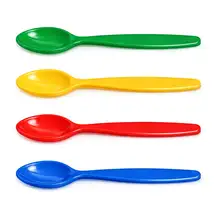
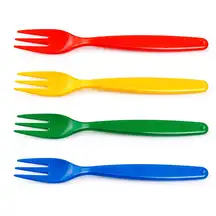
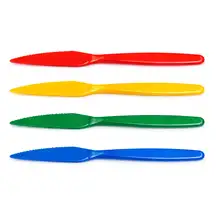
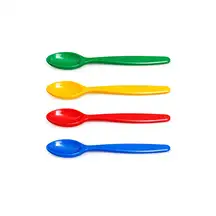
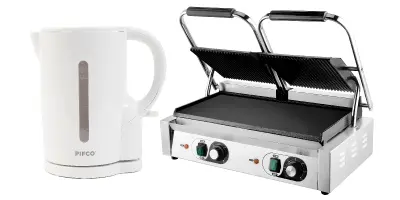
Our Catering Supplies range has been designed and adapted for the care sector. Here you will find commercial quality Cookware, Cutlery & Crockery that will stand up to rigorous use whilst delivering great value for money. Try our Swixz Melamine for a long-lasting alternative to traditional crockery.

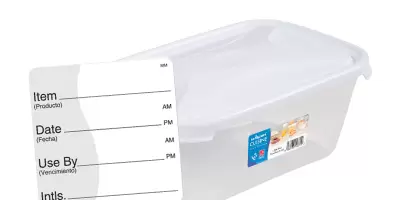
If you're looking to organise your fridge space then be sure to check out our range of Storage & Labels. We also have a range of Thermometers & Probes you can use to check your fridge and food temperatures.